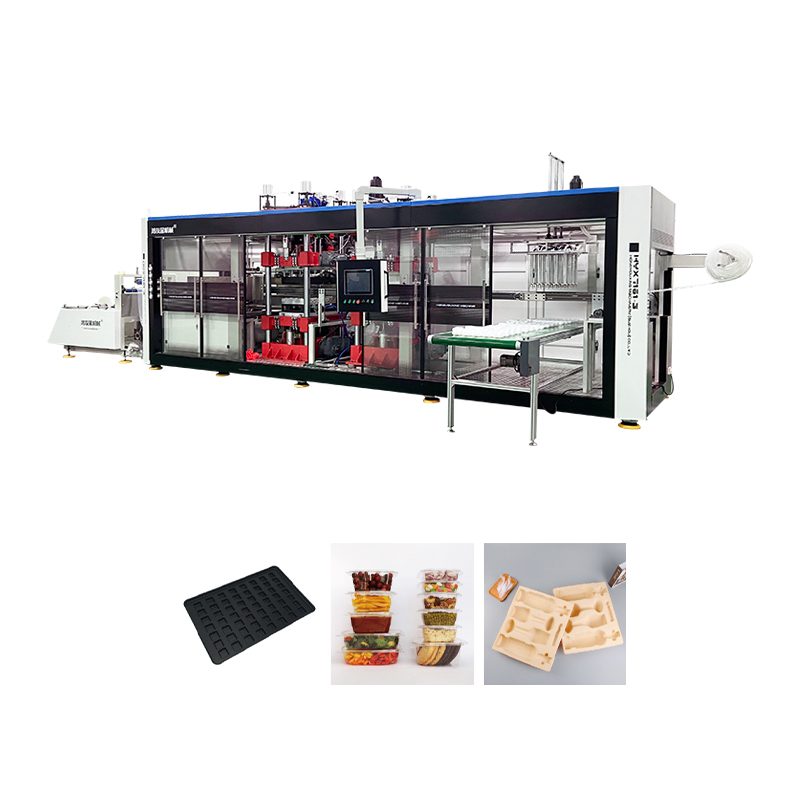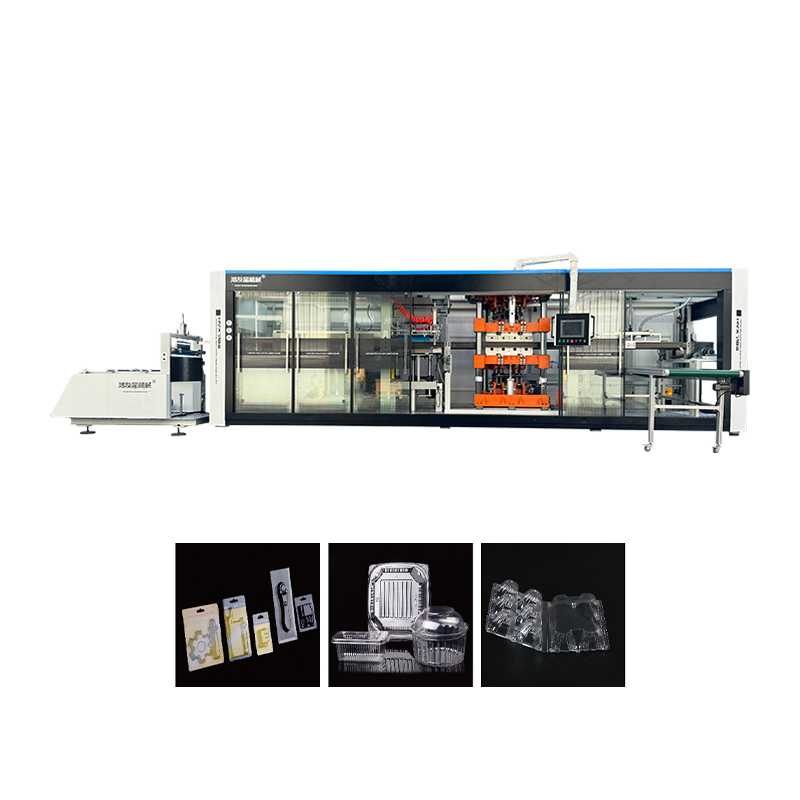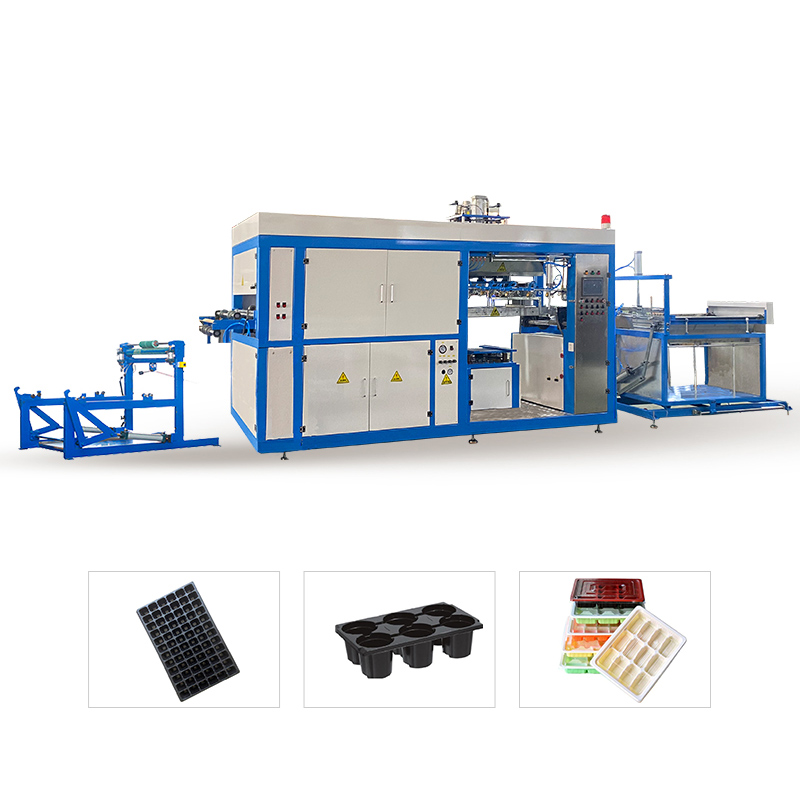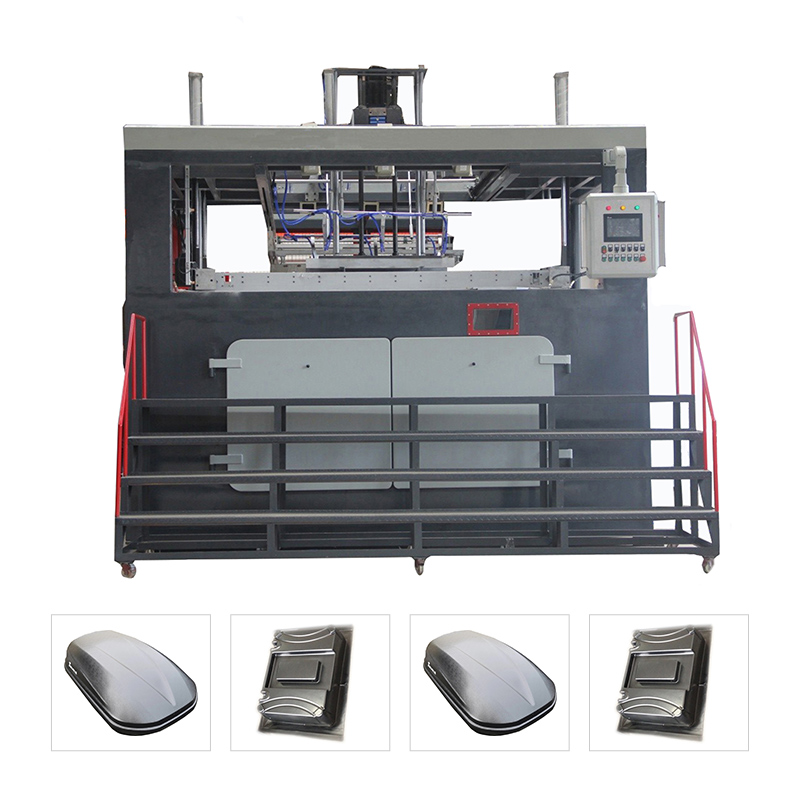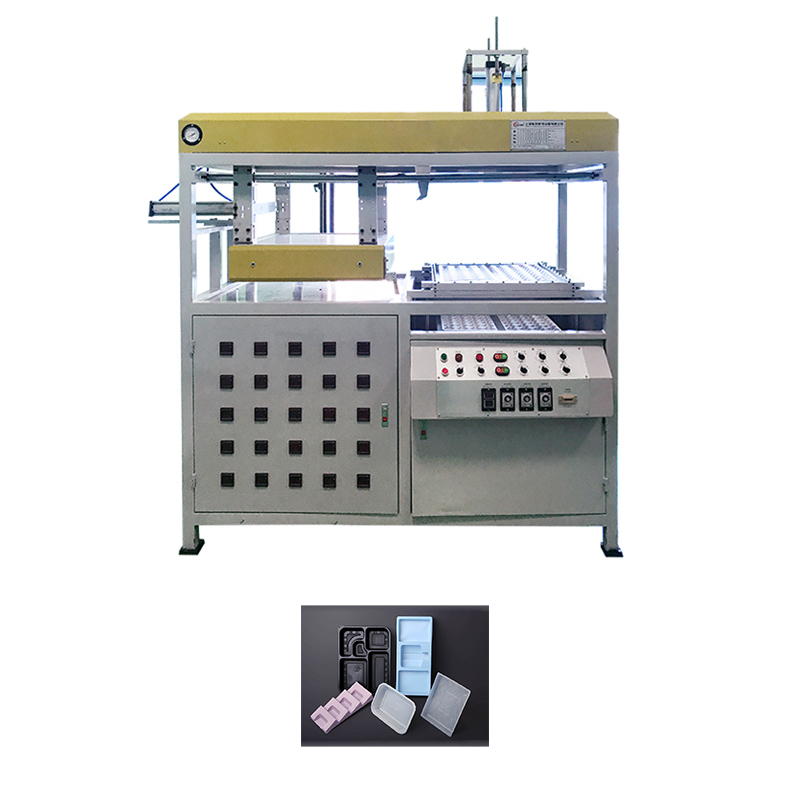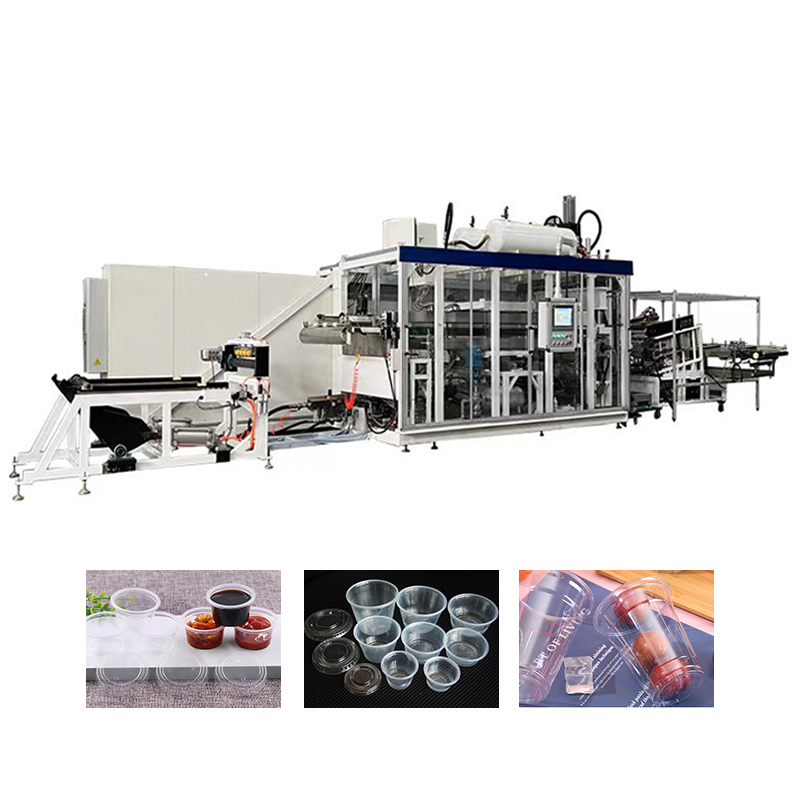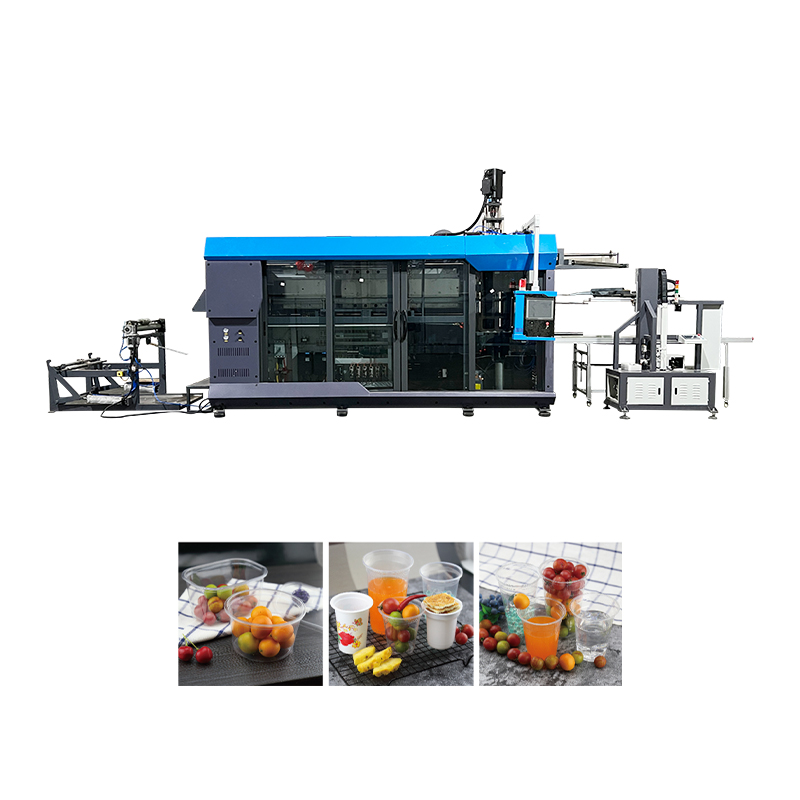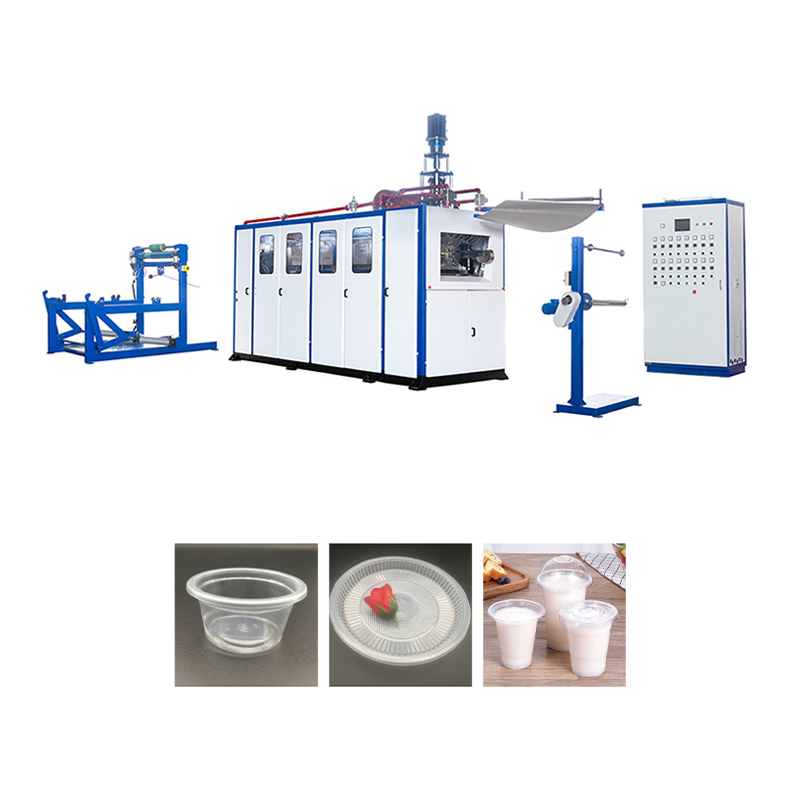
A manual vacuum forming machine is an essential tool for small-scale manufacturing, prototyping, and custom plastic shaping. While these machines are straightforward to operate, achieving high-quality results requires attention to detail, especially when preventing warping or shrinking in plastic parts. Warping and shrinking can compromise the dimensional accuracy and aesthetic appeal of vacuum-formed products.
Warping and shrinking are common issues encountered during vacuum forming. Warping refers to the distortion or bending of the plastic sheet after it is formed, while shrinking refers to a reduction in the sheet’s dimensions due to thermal contraction. Both problems can occur because of uneven heating, improper material selection, mold design, or inconsistent vacuum application.
A manual vacuum forming machine operates by heating a plastic sheet until it becomes pliable and then drawing it over a mold using vacuum pressure. During this process, several factors influence how evenly the plastic conforms to the mold and how it retains its shape after cooling. Understanding these factors is crucial for minimizing defects.
One of the first steps in preventing warping or shrinking is selecting the right thermoplastic material . Different plastics have varying thermal and mechanical properties, which affect how they respond to heat and vacuum. Commonly used materials include ABS, PVC, PETG, and acrylic sheets . Each material has a recommended forming temperature range, and exceeding it can lead to excessive shrinkage.
Before forming, sheets should be cut accurately and free of any internal stresses. Preheating or conditioning the sheet slightly before forming can also help reduce uneven stretching. Ensuring uniform thickness in the sheet is essential; variations can cause thinner sections to over-stretch, leading to warping.
The design of the mold plays a critical role in minimizing warping and shrinking. Molds should be designed with gradual transitions, rounded edges, and adequate draft angles to allow the plastic to flow smoothly. Sharp corners or abrupt changes in depth can create areas of stress concentration, which may warp during cooling.
Using vented molds helps to release trapped air, preventing bubbles and uneven tension that contribute to warping. For deep-draw applications, consider designing the mold with uniform wall thickness and avoid overly deep or complex geometries that may cause the plastic to stretch unevenly.
| Mold Feature | Benefit in Warping Prevention |
|---|---|
| Rounded corners | Reduces stress concentration |
| Draft angles | Facilitates easy sheet release |
| Vents | Prevents air pockets and uneven stretching |
| Uniform thickness | Ensures even cooling and reduced shrinkage |
Temperature control is a critical factor when operating a manual vacuum forming machine . Uneven heating is one of the leading causes of warping. The sheet must be heated to the recommended forming temperature for the material, typically indicated by the manufacturer. Overheating can cause excessive shrinkage, while underheating can result in incomplete forming and uneven stress distribution.
In a manual vacuum forming machine , operators must monitor the heating elements carefully, often adjusting the sheet’s position to ensure all areas receive uniform heat. For thicker sheets, additional heating time or repositioning may be necessary. Maintaining a consistent, moderate temperature is preferable to rapid heating, which can create hotspots and cause localized warping.
The way vacuum pressure is applied affects the final quality of the formed part. Uneven vacuum can cause some areas of the sheet to stretch more than others, leading to dimensional inaccuracies and warping. In a manual vacuum forming machine , operators should ensure that:
For complex shapes, it may be necessary to manually assist the sheet during the initial stages of vacuum forming to ensure even distribution over the mold.
Proper cooling is essential to minimize warping and shrinkage. Once the sheet has been formed and the vacuum pressure is maintained, it should be allowed to cool gradually. Rapid cooling, such as with cold air or water, can introduce thermal stress, causing distortion.
When removing the formed part from the mold, it is important to handle it carefully . Warping can occur if the part is released too quickly or if uneven forces are applied. For some materials, post-forming annealing may help relieve internal stresses and stabilize the part’s dimensions.
Even experienced operators can encounter warping and shrinking if common mistakes are made. Some issues to watch for include:
Highlighting these operational considerations ensures that users of a manual vacuum forming machine achieve consistent, high-quality results.
A significant advantage of a manual vacuum forming machine is its suitability for small-batch production and prototyping. However, warping and shrinkage can be more pronounced in these scenarios because operators may be working with limited molds and varied sheet sizes. To optimize performance:
By implementing these strategies, small workshops can achieve professional-quality results comparable to larger-scale operations.
Routine maintenance of a manual vacuum forming machine plays a key role in preventing warping and shrinkage over time. Maintenance tasks include:
Well-maintained machines deliver consistent temperature and vacuum performance, which directly impacts product quality and reduces the risk of defects.
For prospective buyers, understanding the link between machine design and product quality is critical. Manual vacuum forming machines vary in heating capacity, vacuum strength, and mold compatibility. Buyers should prioritize:
In the broader industry context, manufacturers increasingly emphasize precision and repeatability in small-scale vacuum forming, even with manual machines. As more businesses adopt thermoplastics for prototyping and custom parts, minimizing warping and shrinkage remains a key quality metric.
To summarize, the following practices are crucial to prevent warping and shrinking when using a manual vacuum forming machine :
| Key Factor | Recommended Practice |
|---|---|
| Material Selection | Choose appropriate thermoplastic; ensure uniform thickness |
| Mold Design | Rounded corners, draft angles, vents, uniform depth |
| Heating | Moderate, uniform heating; avoid hotspots |
| Vacuum Application | Gradual application; ensure full sheet contact |
| Cooling | Allow gradual cooling; careful handling; consider post-annealing |
| Maintenance | Clean, lubricate, inspect vacuum system and clamps |
By implementing these strategies, operators can achieve high-quality results, reduce defects, and extend the life of both materials and machines.
+86 18621972598
+86 186 2197 2598
[email protected]
หมายเลข 565, Xinchuan Road, Xinta Community, Lili Town, เขต Wujiang, Suzhou City, China ลิขสิทธิ์ © 2024 เครื่อง Thermoforming/ถ้วยพลาสติก สงวนลิขสิทธิ์.ผู้ผลิตเครื่องขึ้นรูปพลาสติกด้วยความร้อนสูญญากาศอัตโนมัติแบบกำหนดเอง