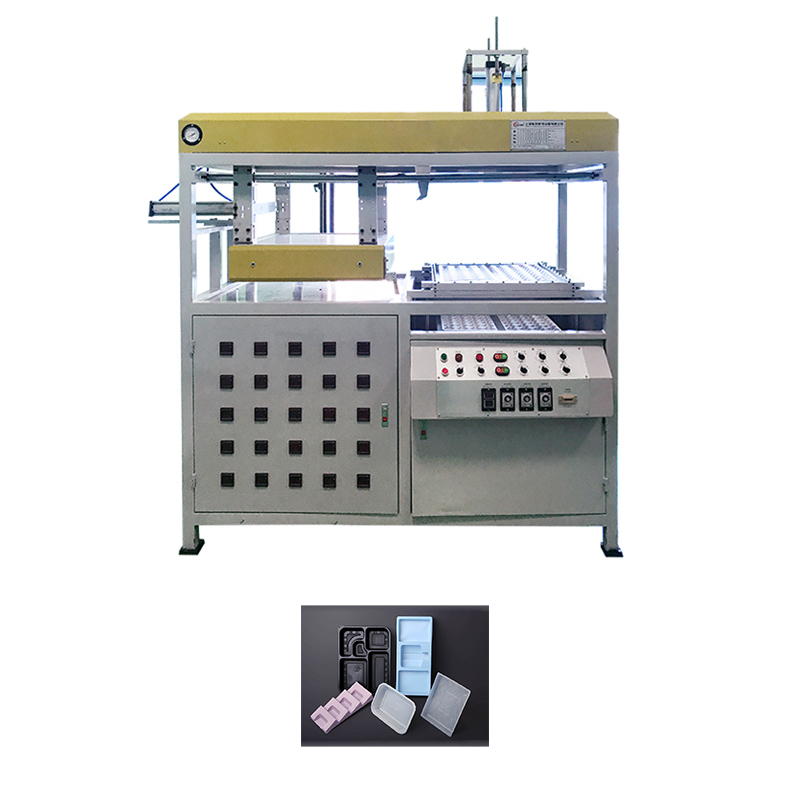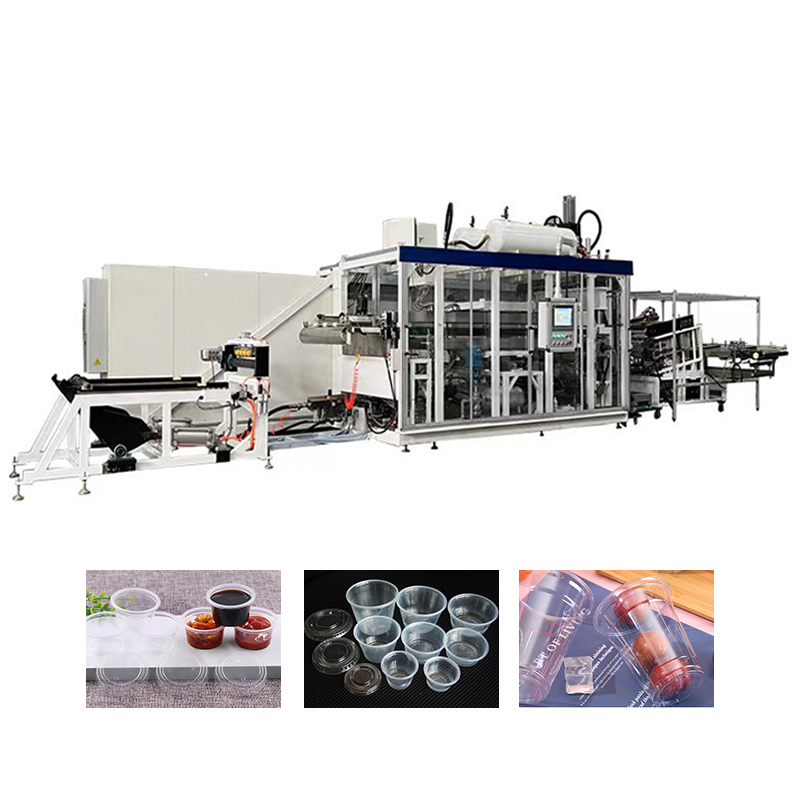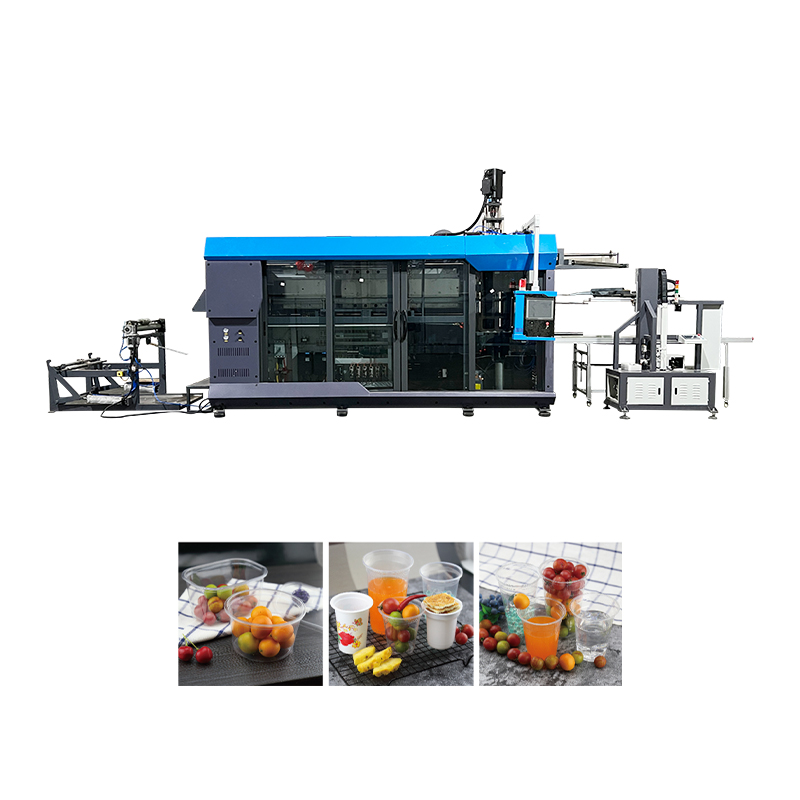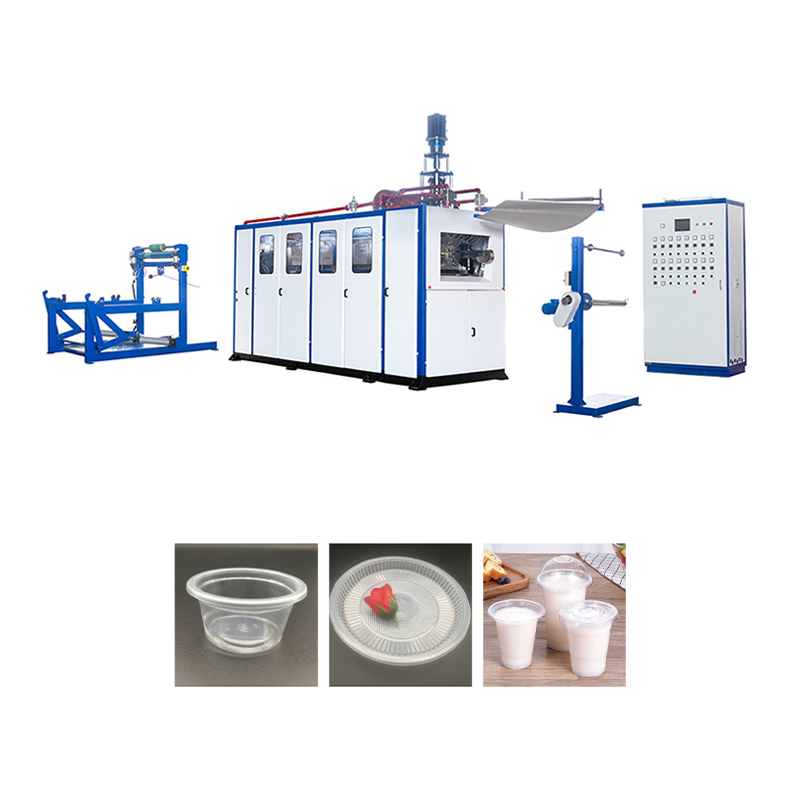

The Plastic Cup Rim Rolling Machine is a critical piece of equipment in modern cup manufacturing lines, ensuring the smooth formation of uniform and high-quality cup rims. Efficient operation of this machine directly impacts production speed, product consistency, and overall operational cost. However, like any mechanical device, it is subject to various operational issues that can disrupt production if not promptly addressed.
A fundamental understanding of the Plastic Cup Rim Rolling Machine is essential for effective troubleshooting. The machine primarily functions to roll and shape the rims of plastic cups after molding. Its structure typically includes a feeder system, rolling station, guiding mechanism, drive assembly, and control panel.
Table 1 illustrates the main components of a typical Plastic Cup Rim Rolling Machine :
| Component | Function |
|---|---|
| Feeder System | Feeds cups consistently into the rolling mechanism |
| Rolling Station | Performs the rim curling and shaping operation |
| Guide Mechanism | Aligns cups accurately to prevent misalignment |
| Drive Assembly | Provides mechanical force to rotate and operate the rollers |
| Control Panel | Manages operational parameters and monitors machine performance |
| Safety Mechanisms | Ensures operator protection and prevents machine damage |
Understanding the interrelation of these components is key to diagnosing problems, as failures in one area often manifest in operational symptoms at another.
Several common problems can affect the efficiency and output quality of the Plastic Cup Rim Rolling Machine . These issues are often related to mechanical wear, operational misalignment, or material inconsistencies.
One of the most frequently reported issues is inconsistent rim shape , where the rolled edges of cups may appear uneven, wrinkled, or incomplete. This can result from:
To address this, operators should first inspect the rollers and guide rails for wear or debris. Ensuring proper calibration of roller pressure and alignment is essential. For cups with variable wall thickness, adjusting the feed rate or roller gap may also improve consistency.
Cup deformation or cracking occurs when cups are structurally compromised during rim rolling. This may be caused by excessive mechanical pressure, material brittleness, or temperature fluctuations in the cup stock.
Troubleshooting steps include :
In many cases, combining pressure adjustment with the use of high-quality cups reduces deformation significantly.
Machine jamming is typically caused by misfeeds, cup misalignment, or foreign objects in the feed path. Operators should:
A preventive maintenance schedule is particularly effective in reducing the frequency of jams in high-volume production environments.
An irregular feed rate leads to uneven production and can trigger misalignment, inconsistent rim curling, or machine stoppages. Possible causes include:
Recommended actions :
Excessive noise or vibration is not only disruptive but may indicate underlying mechanical issues, such as unbalanced rollers, worn bearings, or loose components. Addressing these symptoms involves:
Consistent monitoring of machine vibration using diagnostic tools can preempt failures and reduce downtime.
Modern Plastic Cup Rim Rolling Machine models rely on sophisticated control systems. Electrical faults or control system errors can cause stoppages or inconsistent operation. Common causes include:
Troubleshooting recommendations :
The material used for cups plays a critical role in successful rim rolling. Common material-related challenges include plastic brittleness , inconsistent wall thickness, and moisture absorption. These factors can exacerbate mechanical issues such as deformation, cracking, or irregular rims.
Preventive strategies :
Preventive maintenance is essential to minimize troubleshooting needs. Regular maintenance includes:
Table 2 summarizes maintenance activities and their recommended frequency:
| Maintenance Task | Recommended Frequency |
|---|---|
| Cleaning rollers and guides | Daily |
| Lubrication of moving parts | Weekly |
| Roller alignment and calibration | Monthly |
| Electrical and sensor inspection | Quarterly |
| Component wear assessment | Semi-Annually |
Adhering to these guidelines can significantly reduce the occurrence of common problems and improve overall machine reliability.
When a problem occurs, operators should follow a structured workflow:
This workflow ensures systematic problem-solving, minimizes downtime, and promotes continuous improvement in machine operation.
Even with optimal machine design, operator skill plays a significant role in preventing and resolving issues. Best practices include:
Operators familiar with these practices can address minor issues before they escalate into production-stopping problems.
In addition to basic inspection and adjustment, advanced tools can enhance troubleshooting efficiency:
These tools are particularly useful in large-scale production environments, where downtime can result in significant losses.
Several recurring scenarios highlight the importance of effective troubleshooting:
Scenario A: Uneven rim curling due to roller wear
Solution: Replace worn rollers and recalibrate roller pressure; implement routine inspection schedule.
Scenario B: Jamming caused by material misalignment
Solution: Adjust guide rails and feed mechanism; verify material specifications before use.
Scenario C: Electrical fault halting production
Solution: Inspect wiring and sensors, reset control parameters, and replace defective components.
These examples underscore the interplay between mechanical, electrical, and material factors in achieving smooth operation of the Plastic Cup Rim Rolling Machine .
Efficient operation of a Plastic Cup Rim Rolling Machine requires a thorough understanding of its structure, potential failure points, and maintenance requirements. Common problems—such as inconsistent rim shape, deformation, jamming, irregular feed, noise, and electrical failures—can be effectively addressed through structured troubleshooting, preventive maintenance, and operator training. Utilizing advanced diagnostic tools and adhering to material quality standards further enhances machine reliability. By following systematic troubleshooting workflows, manufacturers can reduce downtime, maintain product quality, and optimize overall production efficiency.
Q1: What are the main causes of rim deformation in Plastic Cup Rim Rolling Machine?
A1: Rim deformation is often caused by excessive roller pressure, material brittleness, misalignment, or inconsistent cup wall thickness. Adjusting roller pressure and ensuring material quality usually resolves the issue.
Q2: How often should the rollers be inspected and maintained?
A2: Rollers should be cleaned daily, lubricated weekly, and inspected for wear and alignment monthly to ensure consistent operation.
Q3: Can a Plastic Cup Rim Rolling Machine handle different cup sizes?
A3: Yes, the machine can be adjusted for various cup diameters and heights, but proper calibration of roller gap, feed rate, and alignment is required.
Q4: What preventive measures reduce the risk of jamming?
A4: Ensuring consistent cup alignment, regular cleaning, and lubrication of moving parts, along with routine inspection of the feeder system, significantly reduces jamming.
Q5: Are electrical faults common in Plastic Cup Rim Rolling Machine?
A5: Electrical faults can occur due to loose connections, faulty sensors, or parameter misconfigurations. Regular inspection and preventive maintenance minimize such issues.
+86 18621972598
+86 186 2197 2598
[email protected]
หมายเลข 565, Xinchuan Road, Xinta Community, Lili Town, เขต Wujiang, Suzhou City, China ลิขสิทธิ์ © 2024 เครื่อง Thermoforming/ถ้วยพลาสติก สงวนลิขสิทธิ์.ผู้ผลิตเครื่องขึ้นรูปพลาสติกด้วยความร้อนสูญญากาศอัตโนมัติแบบกำหนดเอง